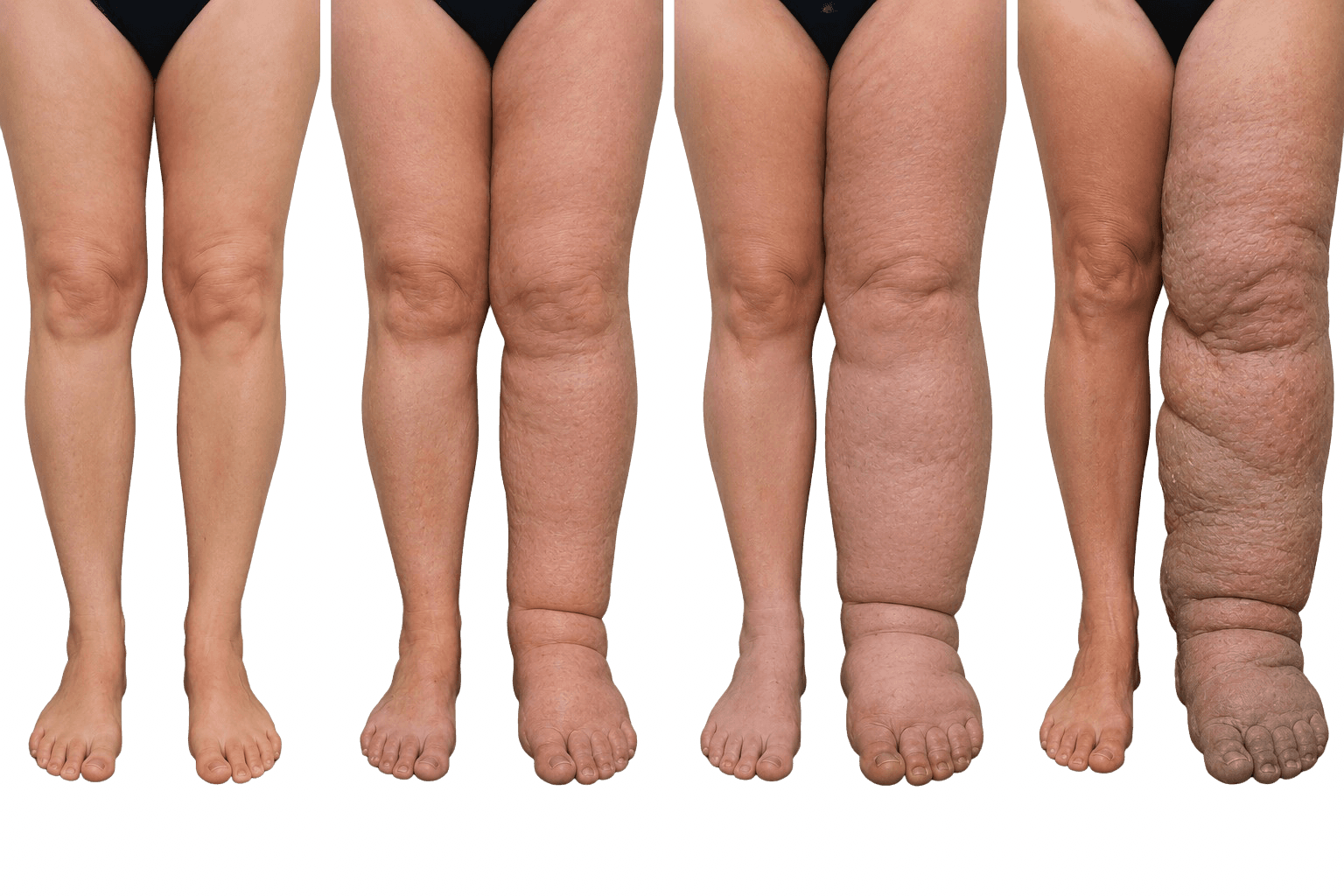
Lymphedema is not "simply a swollen leg". It is a chronic disease of the lymphatic system that requires accurate diagnosis, specialist management and a therapeutic pathway built around the characteristics of the individual person.
For too long lymphedema was addressed only once the swelling had become evident, limiting the chances of achieving the best results. We now know that early, multidisciplinary intervention makes it possible to control the disease better, preserve limb function and significantly improve quality of life. This philosophy gave rise to LYMPHOkinetik.
The lymphatic system: an often forgotten protagonist
The lymphatic system is a network of extremely fine vessels that collects the fluid present in the tissues, transports immune system cells and contributes to the balance of the organism. When this network does not work properly, protein-rich fluid tends to accumulate in the tissues, causing lymphedema. Over time it is not only the volume of the limb that increases: fibrosis, skin changes, reduced mobility, a sense of heaviness and recurrent infections may appear.
Not all lymphedemas are the same
- Primary lymphedema, due to incomplete or altered development of the lymphatic system;
- Secondary lymphedema, following surgery, radiotherapy, trauma, infection or other conditions.
Recognising the cause is essential, because the therapeutic pathway may change significantly.
Vascular assessment and duplex ultrasound
Swelling of a limb can have numerous causes. The protocol therefore includes a specialist vascular assessment combined with duplex ultrasound, essential in order to rule out or identify any concomitant venous disease. Chronic venous disease, previous thrombosis or venous reflux may coexist with lymphedema and alter the therapeutic programme. Treating the lymphatic system without knowing how the venous circulation behaves would mean having an incomplete view of the problem.
Functional and musculoskeletal assessment
Lymphedema progressively alters the way a person walks, the movement of the joints and muscle activity. The protocol involves a complete functional assessment of posture, joint mobility, muscle strength, balance, gait quality and limitations in daily activities. Every exercise is built around the patient's real needs.
Movement as therapy
Therapeutic exercise is one of the pillars of modern lymphedema management: muscle activity supports the functioning of the muscle pump, contributing to venous and lymphatic return. The protocol offers progressive programmes, adapted to the person's functional capacity and constantly monitored. The aim is not only to reduce swelling, but to improve independence, physical endurance and quality of life.
The benefits of aquatic therapy
- hydrostatic pressure promotes fluid drainage;
- buoyancy reduces the load on the joints;
- the resistance of water allows gradual yet effective exercise.
This is not swimming, but adapted aquatic therapy, performed according to specific protocols developed for patients with lymphedema, based on studies published by our research group in the leading scientific journals in the field.
Personalised compression therapy
Compression is one of the most important tools in the management of lymphedema, but there is no single stocking that suits everyone. The protocol involves assessing the most appropriate compression solution according to the stage of the disease, the shape of the limb, the patient's occupation and daily requirements.
Nutrition and lifestyle
Diet does not "cure" lymphedema, but it can influence its course. The protocol includes a nutritional assessment aimed at optimising body composition, controlling any metabolic factors and promoting a lifestyle compatible with managing the disease. Sleep, daily physical activity, skin care and the prevention of infection are also fundamental elements of the pathway.
Innovative technologies supporting treatment
Where appropriate, the protocol can incorporate advanced technologies dedicated to rehabilitation of the lymphatic system, selected on the basis of the patient's clinical characteristics. They are a support to the therapeutic pathway, always embedded in a personalised multidisciplinary programme and never regarded as a stand-alone treatment.
A pathway built around the patient
Lymphedema accompanies the person over time: treatment cannot be limited to a single intervention, but must become a continuous pathway of education, monitoring and therapeutic adaptation. LYMPHOkinetik integrates vascular medicine, lymphology, phlebology, rehabilitation, physiotherapy, aquatic therapy, nutrition and functional assessment. Because today success in managing lymphedema does not depend on a single technique, but on the ability to bring different competences together around the only true protagonist: the patient.